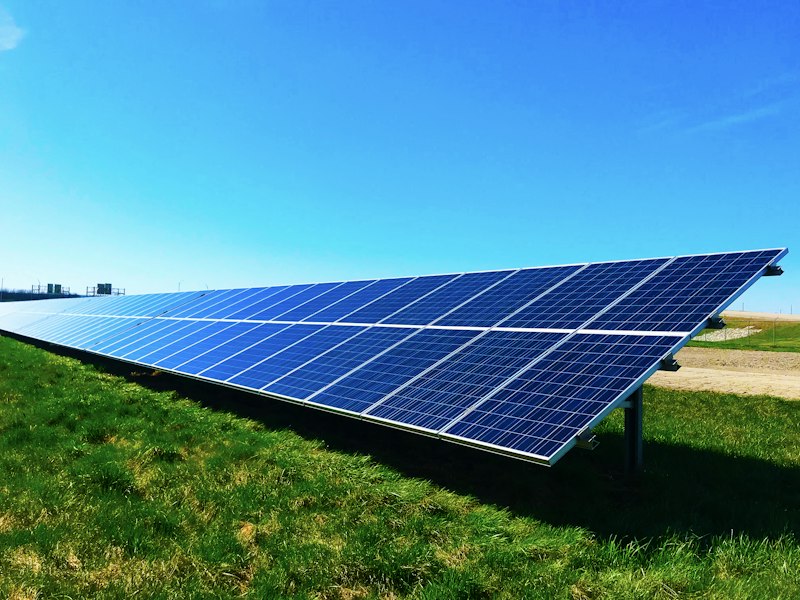
With rising electricity prices in Poland, residential energy storage systems offer significant cost savings. Learn how to maximize your energy independence.
Rising Energy Costs in Poland
Polish households have experienced significant increases in electricity costs over recent years. With energy prices expected to remain volatile, more homeowners are looking for ways to reduce their energy bills and increase energy independence.
How Home Energy Storage Works
A residential energy storage system (ESS) stores excess electricity - typically generated from solar panels - for use when you need it most:
1. Store solar energy during the day
2. Use stored energy in the evening when rates are higher
3. Provide backup power during outages
4. Reduce dependence on the grid
Financial Benefits
Time-of-Use Optimization:
By storing energy when prices are low and using it when prices peak, homeowners can significantly reduce their electricity bills.
Self-Consumption Maximization:
Instead of selling excess solar energy back to the grid at low rates, store it for your own use later.
Government Incentives:
The Mój Prąd 6.0 program offers substantial subsidies for energy storage installations, making the investment more accessible.
Choosing the Right System
When selecting a home ESS, consider:
- Capacity: Typically 5-20 kWh for residential use
- Power output: Matches your household consumption patterns
- Warranty: Look for 10+ year warranties
- Integration: Compatibility with existing solar systems
Strong Energy ALFRED All-in-One Solution
Our ALFRED home ESS series offers capacities from 8kWh to 24kWh, designed specifically for Polish households. Features include:
- High-efficiency lithium battery technology
- Integrated inverter for easy installation
- Smart energy management system
- 10-year warranty
Contact us to learn how you can start saving on your energy bills today.
Polish households have experienced significant increases in electricity costs over recent years. With energy prices expected to remain volatile, more homeowners are looking for ways to reduce their energy bills and increase energy independence.
How Home Energy Storage Works
A residential energy storage system (ESS) stores excess electricity - typically generated from solar panels - for use when you need it most:
1. Store solar energy during the day
2. Use stored energy in the evening when rates are higher
3. Provide backup power during outages
4. Reduce dependence on the grid
Financial Benefits
Time-of-Use Optimization:
By storing energy when prices are low and using it when prices peak, homeowners can significantly reduce their electricity bills.
Self-Consumption Maximization:
Instead of selling excess solar energy back to the grid at low rates, store it for your own use later.
Government Incentives:
The Mój Prąd 6.0 program offers substantial subsidies for energy storage installations, making the investment more accessible.
Choosing the Right System
When selecting a home ESS, consider:
- Capacity: Typically 5-20 kWh for residential use
- Power output: Matches your household consumption patterns
- Warranty: Look for 10+ year warranties
- Integration: Compatibility with existing solar systems
Strong Energy ALFRED All-in-One Solution
Our ALFRED home ESS series offers capacities from 8kWh to 24kWh, designed specifically for Polish households. Features include:
- High-efficiency lithium battery technology
- Integrated inverter for easy installation
- Smart energy management system
- 10-year warranty
Contact us to learn how you can start saving on your energy bills today.
Tags
Poland
Residential
Savings
Solar
Home ESS
ALFRED