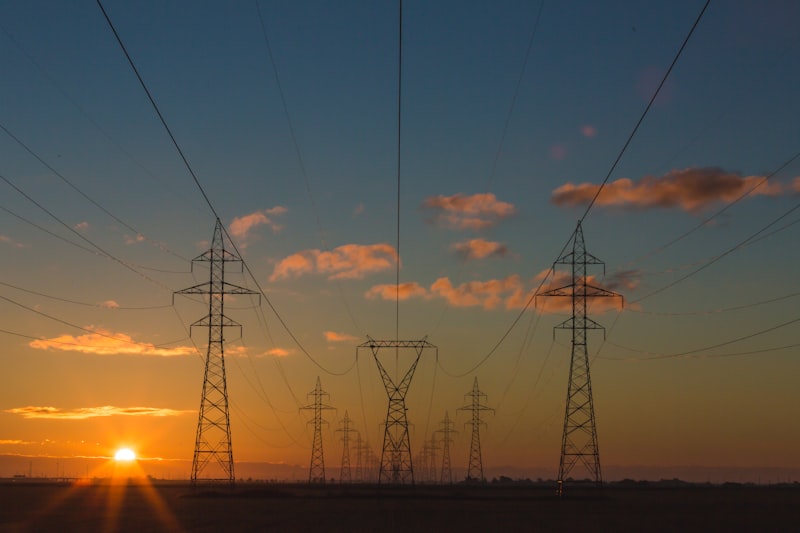
The Baltic states have successfully synchronized with the European continental electricity grid, creating massive opportunities for battery energy storage systems.
Historic Grid Synchronization
On February 8-9, 2025, Estonia, Latvia, and Lithuania achieved a historic milestone by disconnecting from the Russian and Belarusian frequency area and successfully synchronizing with the European continental grid.
This strategic move has created unprecedented demand for battery energy storage systems (BESS) to provide grid balancing services that were previously supplied by the larger Russian grid.
Major Battery Storage Projects
Estonia:
Baltic Storage Platform (BSP) has secured €86.5 million financing for two large-scale BESS projects totalling 200MW/400MWh. The Hertz 1 project in Kiisa was energized in October 2025, with full grid services expected by Q1 2026.
Latvia:
A €7 million project featuring six BESS containers is under development. The Targale project will integrate battery storage with wind power, vital for achieving energy security post-BRELL disconnection.
Lithuania:
The government has committed €147 million to energy storage deployment, targeting 1,700MW/4,000MWh of storage capacity. Plans include expanding installations to 1.5GW/4.4GWh nationwide by 2028.
Why BESS is Critical
The Baltic states now need to independently regulate their grid frequency. BESS projects provide:
- High-speed backup power
- Automatic frequency regulation
- Lower costs than conventional power plants
- Lucrative ancillary service opportunities
Business Opportunities
The Baltic region is described as one of the most attractive markets with first-mover advantages available. Strong Energy offers comprehensive energy storage solutions designed for both grid-scale and commercial applications in this rapidly growing market.
On February 8-9, 2025, Estonia, Latvia, and Lithuania achieved a historic milestone by disconnecting from the Russian and Belarusian frequency area and successfully synchronizing with the European continental grid.
This strategic move has created unprecedented demand for battery energy storage systems (BESS) to provide grid balancing services that were previously supplied by the larger Russian grid.
Major Battery Storage Projects
Estonia:
Baltic Storage Platform (BSP) has secured €86.5 million financing for two large-scale BESS projects totalling 200MW/400MWh. The Hertz 1 project in Kiisa was energized in October 2025, with full grid services expected by Q1 2026.
Latvia:
A €7 million project featuring six BESS containers is under development. The Targale project will integrate battery storage with wind power, vital for achieving energy security post-BRELL disconnection.
Lithuania:
The government has committed €147 million to energy storage deployment, targeting 1,700MW/4,000MWh of storage capacity. Plans include expanding installations to 1.5GW/4.4GWh nationwide by 2028.
Why BESS is Critical
The Baltic states now need to independently regulate their grid frequency. BESS projects provide:
- High-speed backup power
- Automatic frequency regulation
- Lower costs than conventional power plants
- Lucrative ancillary service opportunities
Business Opportunities
The Baltic region is described as one of the most attractive markets with first-mover advantages available. Strong Energy offers comprehensive energy storage solutions designed for both grid-scale and commercial applications in this rapidly growing market.
Tags
Baltic
Estonia
Latvia
Lithuania
BESS
Grid Storage
Europe